SS WOHW Build-Your-Own Bundle! Will Price match!

Understanding Different Types of Concentrates

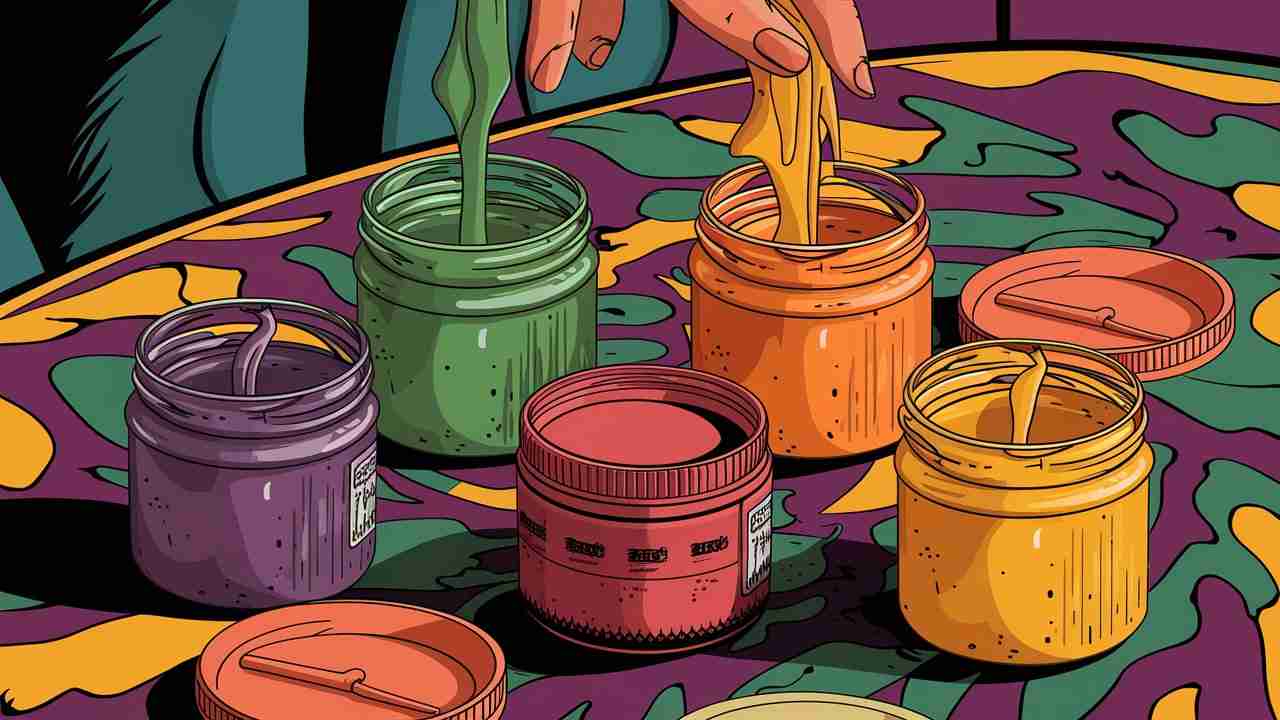
Cannabis concentrates have taken the market by storm, offering a potent, flavorful, and efficient way to consume cannabis. Whether you’re a seasoned dabber or a curious newcomer, understanding the different types of concentrates can help you make informed choices and enhance your experience. Let’s dive deep into the world of cannabis concentrates.
What Are Cannabis Concentrates?
Cannabis concentrates are products that contain high levels of cannabinoids and terpenes extracted from the cannabis plant. They come in various forms, each with unique characteristics, methods of production, and uses. Concentrates can be consumed in several ways, including dabbing, vaping, and adding to flower.
Types of Cannabis Concentrates
- Shatter
Appearance and Texture: Shatter has a glass-like, translucent appearance and a brittle texture that can easily snap apart.
Production: Made using a solvent-based extraction method, typically butane or propane, which is purged to leave behind a pure, stable concentrate.
Use: Best for dabbing due to its purity and potency. It can also be crumbled into joints or bowls.
- Wax
Appearance and Texture: Wax is opaque and has a soft, pliable texture that ranges from creamy to crumbly.
Production: Similar to shatter, wax is produced using solvent-based extraction but is agitated during the process, resulting in its waxy consistency.
Use: Ideal for dabbing and vaping. Its malleable texture makes it easy to handle and dose.
- Budder
Appearance and Texture: Budder has a creamy, buttery texture and is often golden or yellow in color.
Production: Created through a process similar to wax but whipped to incorporate air, giving it a fluffy consistency.
Use: Excellent for dabbing, as its creamy texture makes it easy to apply to a dab tool.
- Crumble
Appearance and Texture: Crumble is dry and crumbly, resembling honeycomb or dry cheese.
Production: Made by purging solvents at lower temperatures for longer periods, resulting in a drier texture.
Use: Versatile for dabbing, sprinkling on top of flower, or adding to joints.
- Live Resin
Appearance and Texture: Live resin is sticky and sap-like, often golden or amber in color.
Production: Extracted from fresh, flash-frozen cannabis plants to preserve more terpenes and cannabinoids. Solvents like butane or propane are commonly used.
Use: Highly favored for dabbing due to its rich flavor and potent effects.
- Rosin
Appearance and Texture: Rosin has a sap-like texture and can range in color from light amber to dark brown.
Production: A solventless concentrate made by applying heat and pressure to cannabis flower, hash, or kief.
Use: Popular for dabbing and vaping because it’s pure and solvent-free.
- Distillate
Appearance and Texture: Distillate is clear or golden and has a thick, viscous consistency.
Production: Created using a distillation process that separates cannabinoids and terpenes from impurities and solvents.
Use: Versatile for vaping, dabbing, and infusing edibles due to its high potency and purity.
- Caviar/Jelly Hash
Appearance and Texture: Caviar or jelly hash is sticky and dense, often dark in color.
Production: Made by combining high-quality hash oil with kief or bubble hash, resulting in a potent, sticky concentrate.
Use: Typically used for dabbing or topping bowls for an extra kick.
- Hash
Appearance and Texture: Hash is solid and can range from soft and pliable to hard and brittle. Colors vary from light brown to almost black.
Production: Made by compressing the resin glands (trichomes) of the cannabis plant. Traditional methods include dry sieving and ice water extraction.
Use: Commonly smoked in joints, pipes, or bongs, and can also be vaporized.
- Bubble Hash
Appearance and Texture: Bubble hash has a granular texture and can range in color from blonde to dark brown.
Production: Created using ice water and agitation to separate trichomes from the plant material, then dried and sieved.
Use: Smoked, dabbed, or added to flower for an enhanced experience.
- Kief
Appearance and Texture: Kief is a fine, powdery substance ranging in color from light green to golden brown.
Production: Collected from the trichomes that fall off cannabis buds during grinding or sieving.
Use: Sprinkled on top of bowls, added to joints, or pressed into hash.
- Crystalline
Appearance and Texture: Crystalline is clear or white and appears like small crystals or powder.
Production: Created through a refinement process that isolates specific cannabinoids, such as THCA or CBDA, into their pure crystalline form.
Use: Dabbed or added to other concentrates and edibles. Pure cannabinoids provide potent effects without terpenes.
Production Methods
Understanding how different concentrates are made can give insight into their properties and quality:
- Solvent-Based Extraction: Uses solvents like butane, propane, or ethanol to strip cannabinoids and terpenes from the plant material. The solvent is then purged, leaving behind a potent concentrate. Examples include shatter, wax, and live resin.
- Solventless Extraction: Uses mechanical methods like heat, pressure, or ice water to extract cannabinoids without solvents. This results in pure, clean concentrates like rosin and bubble hash.
- Distillation: A post-extraction process that purifies cannabinoids by heating the concentrate to evaporate and re-condense the desired compounds. This method produces highly potent distillates.
Potency and Effects
Concentrates are known for their high potency, often containing 70-90% cannabinoids compared to 15-30% in traditional flower. This increased potency means that a little goes a long way, providing strong effects with smaller amounts. Beginners should start with small doses to gauge their tolerance.
Different concentrates can offer varying effects depending on their cannabinoid and terpene profiles:
- THC-Dominant Concentrates: Provide potent psychoactive effects, suitable for recreational use and symptom relief.
- CBD-Dominant Concentrates: Offer therapeutic benefits without the high, ideal for medical use.
- Full-Spectrum Concentrates: Contain a range of cannabinoids and terpenes, delivering the “entourage effect” for a balanced experience.
Tips for Using Concentrates
- Start Small: Begin with a small dab or dose, especially if you’re new to concentrates. Their high potency can be overwhelming for first-time users.
- Use the Right Equipment: Invest in quality dabbing tools or vaporizers designed for concentrates. Proper equipment ensures optimal flavor and efficiency.
- Store Properly: Keep concentrates in a cool, dark place to preserve their potency and flavor. Airtight containers prevent degradation and contamination.
- Stay Hydrated: Concentrates can be intense, so keep water nearby to stay hydrated and reduce throat irritation.
Conclusion
Cannabis concentrates offer a diverse and potent way to enjoy cannabis, with each type providing unique experiences and benefits. By understanding the different types of concentrates, their production methods, and best uses, you can make informed choices and enhance your cannabis journey. Whether you’re looking for intense potency, rich flavors, or therapeutic effects, there’s a concentrate out there for you. Happy dabbing!