SS WOHW Build-Your-Own Bundle! Will Price match!
Dry Herb Vaporizers vs. Dabbing: What’s the Difference?

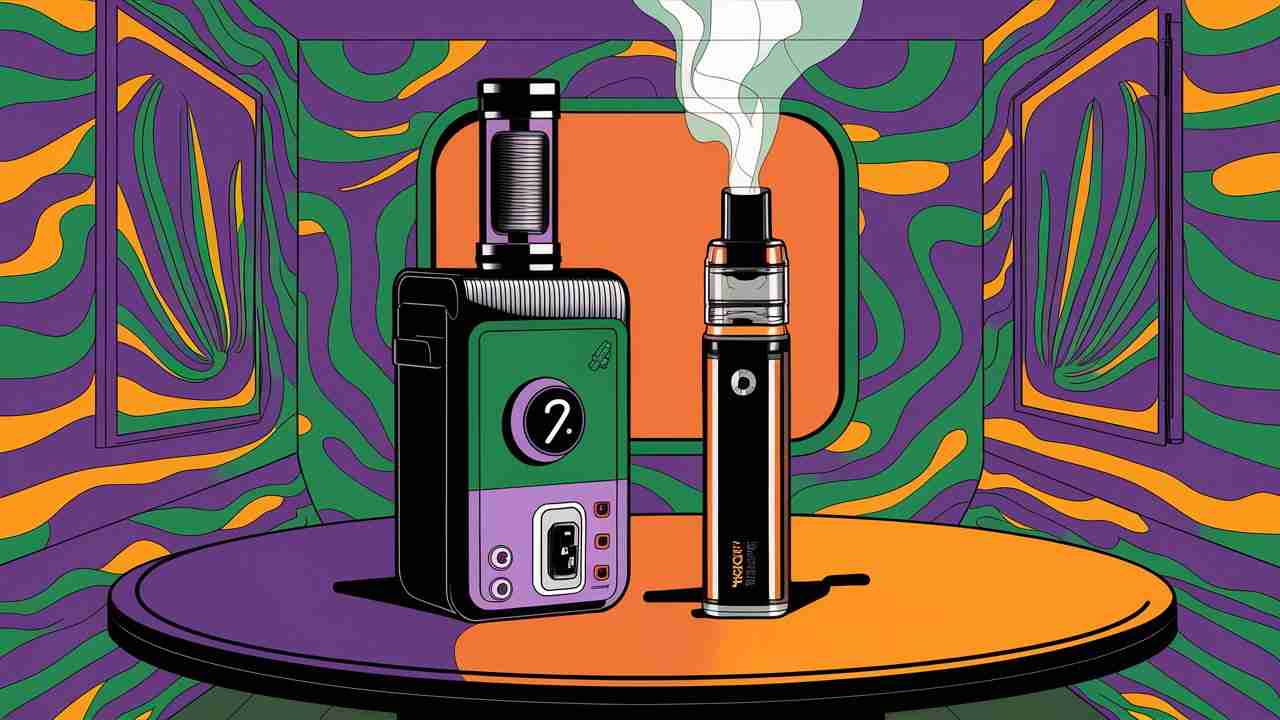
As cannabis consumption methods continue to evolve, dry herb vaporizers and dabbing have emerged as two popular options for enjoying the benefits of cannabis. While both methods offer unique experiences, they differ significantly in terms of preparation, effects, and equipment. This guide will explore the key differences between dry herb vaporizers and dabbing, helping you make an informed choice based on your preferences and needs.
The Basics: What Are Dry Herb Vaporizers and Dabbing?
Dry Herb Vaporizers:
Dry herb vaporizers are devices designed to heat cannabis flowers to a temperature that releases their active compounds (cannabinoids and terpenes) without burning the plant material. This process, known as vaporization, produces a flavorful vapor that can be inhaled.
Dabbing:
Dabbing involves the consumption of cannabis concentrates, such as wax, shatter, or oil, by applying them to a heated surface (nail or banger) and inhaling the resulting vapor. Dabbing requires higher temperatures to effectively vaporize the dense, potent concentrates.
Preparation and Consumption
Dry Herb Vaporizers:
- Preparation:
- Grinding: The herb is finely ground to ensure even heating and efficient vaporization.
- Loading: The ground herb is loaded into the vaporizer’s chamber or oven.
- Heating: The device is powered on, and the desired temperature is selected. It typically takes a few seconds to a couple of minutes to reach the set temperature.
- Consumption:
- Once heated, the user inhales through the mouthpiece, drawing vapor into their lungs. Vapor quality and density can vary depending on the temperature setting and the quality of the herb.
Dabbing:
- Preparation:
- Concentrate Selection: Choose a cannabis concentrate, such as wax, shatter, budder, or oil.
- Heating the Nail: Use a torch to heat the nail or banger until it reaches the desired temperature. Alternatively, use an electronic nail (e-nail) for precise temperature control.
- Consumption:
- Applying the Concentrate: Once the nail is heated, use a dab tool to apply a small amount of concentrate to the hot surface. The concentrate vaporizes instantly.
- Inhaling: Inhale the vapor through the rig’s mouthpiece. The vapor is often more potent and dense compared to dry herb vapor.
Equipment and Accessories
Dry Herb Vaporizers:
- Portable Vaporizers: Compact, battery-powered devices designed for on-the-go use. Examples include the Pax 3 and DaVinci IQ2.
- Desktop Vaporizers: Larger, more powerful units intended for home use. Examples include the Volcano and Arizer Extreme Q.
- Accessories: Grinders, cleaning tools, extra batteries, and glass mouthpieces.
Dabbing:
- Dab Rigs: Glass water pipes designed for dabbing concentrates. They include a nail or banger, often made of quartz, titanium, or ceramic.
- Nails and Bangers: The surfaces that are heated to vaporize the concentrate. Available in various materials and designs.
- Torches: Butane or propane torches are used to heat nails and bangers. Electronic nails (e-nails) provide precise temperature control without a torch.
- Dab Tools: Small tools used to handle and apply concentrates.
- Carb Caps: Devices used to cover the nail or banger, helping regulate airflow and temperature for more efficient vaporization.
Effects and Potency
Dry Herb Vaporizers:
- Effects:
- Dry herb vaporizers provide a balanced and nuanced high, preserving the full spectrum of cannabinoids and terpenes. The effects are generally milder compared to dabbing.
- The flavor is often rich and complex, highlighting the unique terpene profile of the strain.
- Potency:
- The potency of vaporized herb is typically lower than that of concentrates. However, it offers a more prolonged and gradual onset of effects.
Dabbing:
- Effects:
- Dabbing delivers an intense, immediate high due to the high concentration of cannabinoids in the concentrates. The effects can be overwhelming for inexperienced users.
- The flavor is also potent but can be less nuanced compared to dry herb vaporization, especially at higher temperatures.
- Potency:
- Concentrates are significantly more potent than dry herb, often containing 70-90% THC compared to the 10-25% found in cannabis flower. This results in a more powerful and immediate high.
Health and Safety Considerations
Dry Herb Vaporizers:
- Health: Vaporizing dry herb is generally considered healthier than smoking because it reduces the inhalation of harmful combustion byproducts. The lower temperatures used in vaporization preserve the beneficial compounds while minimizing the release of toxins.
- Safety: Dry herb vaporizers are generally safe to use, with minimal risk of burns or fire hazards. Regular cleaning and maintenance are important to prevent residue buildup and ensure optimal performance.
Dabbing:
- Health: Dabbing, especially at high temperatures, can expose users to potentially harmful byproducts such as benzene and methacrolein. However, dabbing at lower temperatures (315-450°F) can mitigate these risks while preserving flavor and potency.
- Safety: Using a torch to heat nails poses a risk of burns and fire hazards. Electronic nails (e-nails) offer a safer alternative by eliminating the need for an open flame. Proper handling of concentrates and equipment is crucial to avoid accidents.
Cost and Accessibility
Dry Herb Vaporizers:
- Cost: The initial investment for a high-quality dry herb vaporizer can range from $100 to $400, with portable models generally being less expensive than desktop units. The cost of cannabis flower is also typically lower than concentrates.
- Accessibility: Dry herb vaporizers are widely available at dispensaries, head shops, and online retailers. Cannabis flower is also more readily available in legal markets.
Dabbing:
- Cost: Dab rigs and e-nails can be more expensive than dry herb vaporizers, with prices ranging from $50 to several hundred dollars. Concentrates are also more costly than cannabis flower on a per-gram basis.
- Accessibility: While dab rigs and accessories are widely available, high-quality concentrates may be less accessible, depending on local laws and regulations. In some areas, obtaining concentrates can be challenging.
Conclusion
Both dry herb vaporizers and dabbing offer unique benefits and experiences, catering to different preferences and needs. Dry herb vaporizers provide a balanced, flavorful, and health-conscious option for enjoying cannabis, making them ideal for both beginners and seasoned users who appreciate the full spectrum of cannabinoids and terpenes. On the other hand, dabbing delivers an intense, immediate high with unmatched potency, appealing to experienced users seeking powerful effects.
Ultimately, the choice between dry herb vaporizers and dabbing depends on your individual preferences, lifestyle, and desired effects. By understanding the key differences and considering factors such as convenience, potency, health, and cost, you can make an informed decision that enhances your cannabis experience. Happy vaping or dabbing!